

Understanding SaaS Pricing Strategies
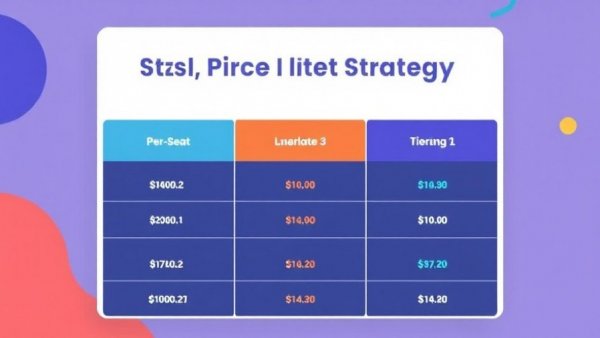
Entrepreneurs venturing into the realm of Software as a Service (SaaS) often grapple with one of the most crucial decisions: pricing strategy. This decision shapes how your software sells, how customers perceive the value, and how your business scales. Three primary SaaS pricing models—per-seat, usage-based, and tiered—exist to cater to different needs. Understanding these terminologies can enhance profitability and customer satisfaction.
Per-Seat Pricing: Pros and Cons
The per-seat model charges based on the number of users. It is intuitive and easy for customers to grasp. Take Slack, for instance, which charges $8.75 per user each month. This model is excellent for collaboration tools, as each added user brings added value. However, it can break down when teams start sharing accounts to reduce costs or when your software automates tasks that reduce the need for more users, ultimately capping revenue growth.
Usage-Based Pricing: Flexibility with a Tradeoff
Usage-based pricing is particularly user-friendly for customers testing a service for the first time. This model allows customers to scale up usage, thus paying more based on consumption. Companies like Twilio exemplify this approach, charging per message sent. However, while it fuels initial growth, it introduces revenue unpredictability, making financial forecasting challenging. Users may feel discomfort when bills fluctuate from month to month, demanding a simplified explanation. A solution to this could be a minimum charge plus overages to maintain predictability.
Tiered Pricing: Balancing Features and Value
Tiered pricing offers structured plans—good, better, best—allowing flexibility for a diverse user base. It's beneficial to both solo entrepreneurs and medium-sized businesses. Yet, it falters when higher tier features don’t resonate with customers, leading them to stick with the cheapest option forever. An example of tiered pricing can often be seen in products that serve varied demographics, ensuring all customer types can find value in the service without feeling overwhelmed.
Conclusion: Making An Informed Decision
Ultimately, choosing a pricing strategy before launch is vital in setting the right market expectations, defining your customer persona, and maximizing revenue. Remember, pricing is not merely a financial task; it reveals what you believe your product is worth. By approaching this with careful consideration and aligning pricing with your value metrics, you will ensure smoother sailing through your SaaS journey.





Write A Comment