

UPDATE
UPDATE
March 25.2025
2 Minutes Read

Unlock Financial Freedom with Ghost Commerce: What You Need to Know

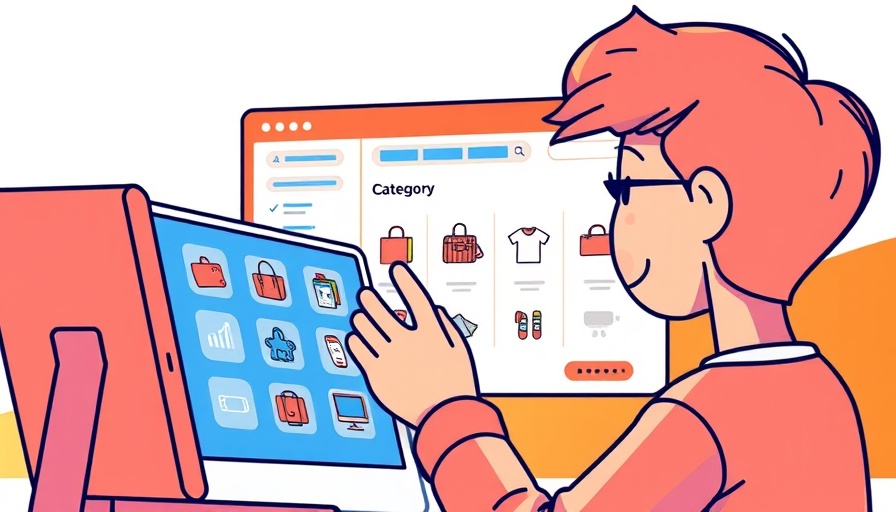
Cartoon of online store category setup with fashion icons, illustrating Ghost Commerce Definition.

The Rise of Ghost Commerce: A New Era for Entrepreneurs

Have you ever dreamed of running your own online store but felt overwhelmed by the costs associated with managing inventory? Welcome to ghost commerce—a modern business model that allows you to operate an e-commerce store without the hassles of physical products. Ghost commerce enables entrepreneurs to tap into the lucrative e-commerce market while minimizing upfront costs and risks.

What Exactly is Ghost Commerce?

Ghost commerce refers to the practice of selling products or services via an online platform where no physical inventory is handled by the merchant. Instead, these businesses collaborate with third-party suppliers who manage the products, packaging, and shipping. This model caters specifically to entrepreneurs who aim to start a business quickly without the burden of extensive investment in inventory.

Exploring the Benefits of Ghost Commerce

One of the primary advantages of ghost commerce is its low barrier to entry. With minimal investment required, entrepreneurs can initiate their online venture almost immediately. Since they aren’t responsible for managing stock, they can react swiftly to market trends—adding or removing products based on consumer demand.

Moreover, this model is conducive to those seeking passive income opportunities. By automating processes, such as order passing, entrepreneurs can enjoy a relatively hands-off approach once their online store is established.

Navigating the Challenges of Ghost Commerce

While ghost commerce offers flexibility and lower risk, it’s not without challenges. A lack of control over product quality and shipping timelines can hamper customer satisfaction. Furthermore, heavy reliance on third-party suppliers means that any issues on their end may reflect poorly on your business.

To thrive, ghost commerce entrepreneurs must prioritize building a strong online presence and invest in marketing efforts to attract customers.

Conclusion: Is Ghost Commerce Right for You?

If you're an aspiring entrepreneur or side hustler looking to dip your toes into the world of e-commerce without a significant financial commitment, ghost commerce might be the perfect fit. However, be prepared to face competition and the intricacies of working with suppliers. Research, flexibility, and a knack for marketing will be crucial for your success in this model.

As the landscape of online business continues to evolve, ghost commerce stands out as a viable option for those ready to explore. For more insights and resources on growing your online business, consider subscribing to newsletters and joining entrepreneurial communities.

Online Business Ideas

0 Comments

Write A Comment

*
*
Please complete the captcha to submit your comment.
Related Posts All Posts
06.08.2026

Why Entrepreneurs Hesitate to Use AI for Client Communication

Update The Growing Resistance to AI in Client Communication In an era where technology rapidly advances, the hesitation of many companies to embrace artificial intelligence (AI) in client interactions raises an important question: What drives this reluctance? It seems intuitive that faster, more efficient responses would be universally welcomed. However, research indicates that while AI has the potential to streamline customer communications significantly, the human touch remains irreplaceable in business relationships. Understanding Client Needs: The Balancing Act AI in customer communications often emphasizes speed and efficiency. However, several studies, including a Salesforce survey, highlight that around 84% of consumers prioritize being treated as individuals rather than mere data points. Companies that fail to meet this expectation risk losing their customers' trust. Customers crave personalization and empathy, a sentiment echoed in the observations of AI experts who note that while automated responses can provide quick information, they often lack the warmth of genuine human interaction. AI's Role: Beyond Simple Automation As stated by AI analyst Brian Peterson, customer communication infused with AI should focus on enhancing the interaction rather than replacing the human element. The integration of AI isn't about diminishing human jobs but allowing professionals to step in when emotion and judgment are critical. Interestingly, AI can streamline responses for routine inquiries while freeing up human agents to handle complex or sensitive issues that require a personal touch. What’s Next for Businesses Embracing AI? To navigate this new landscape effectively, entrepreneurs and business owners must understand how to implement AI thoughtfully. The key lies in training AI systems to recognize context and adapt their responses based on individual client history and preferences, ensuring that communications remain engaging and relevant. This approach aligns with modern clients’ rising expectations and ensures that their concerns are acknowledged and addressed promptly. Reimagining the Customer Experience As we look to the future, the businesses succeeding in customer communication will be those that integrate AI while retaining their commitment to human relationships. Entrepreneurs should consider adopting AI tools that not only automate but also enhance customer understanding, ultimately leading to improved satisfaction and loyalty. It's crucial for entrepreneurs to harness the potential of AI effectively. By employing AI for routine tasks but leaving the nuanced conversations to skilled professionals, businesses can enhance customer satisfaction and maintain a competitive edge in a crowded marketplace.

06.07.2026

How AI Prompts Can Triple Your Revenue: Unlocking Potential for Solo Entrepreneurs

Update Unleashing the Power of AI: Tripling Revenue with Simple Prompts The rise of artificial intelligence has fundamentally transformed the landscape of business operations, particularly for solo entrepreneurs and small business owners. A recent case study demonstrated that a one-person business could triple its revenue within a year using four specific AI prompts. This not only emphasizes the impact of innovative technology but also points toward practical strategies that can be employed to achieve similar success. Key Insights: How AI Can Transform Your Business By leveraging AI, the featured entrepreneur streamlined processes and enhanced marketing strategies without the need for a team or significant funding. The simplicity of the AI prompts used allows for immediate implementation. Each prompt can be tailored to fit various business functions, making the possibilities abundant for those willing to adapt technology to their business needs. Learning from Others: The Unique Value of AI Prompts Kristen Kay Brady elaborates on the effectiveness of ready-to-use AI prompts in her article, noting that they can apply to all aspects of a business operation. From content marketing to customer engagement, these prompts automate time-consuming tasks, enhance marketing efforts, and maintain a personal touch. This dual benefit is particularly crucial for entrepreneurial individuals managing their operations independently. Experimenting for Success: The Process of Fine-Tuning To maximize AI's benefits, as highlighted by CO—'s recent article, it is essential to fine-tune your AI prompts with your unique business context. Customization allows entrepreneurs to derive more personalized and relevant outputs that align with their objectives. This tailored approach can lead to insights that drive customer satisfaction and operational efficiency. Future Trends: Embracing AI in the Entrepreneurial Realm As the demand for AI tools grows, the potential for small businesses to leverage them will expand. Entrepreneurs who embrace these technologies early can build a significant competitive edge. From enhancing customer interactions to innovating service delivery methods, the prospects for integration of AI into small business strategies are vast and promising. In a world where efficiency and personal engagement are paramount, utilizing AI is not just a luxury but a necessity for those wishing to thrive in the entrepreneurial landscape.

06.04.2026

Transform Your Approach: Use Email to Build a Community, Not Just Customers

Update Unlocking Community Through Email: A New Approach to Marketing Email marketing is shifting its focus from mere transactional exchanges to a more community-driven approach. Entrepreneurs and small business owners can leverage this powerful tool to create a vibrant brand community by fostering connections with their audience beyond the point of sale. Why Building a Community Is Essential for Businesses Creating a sense of community enhances customer loyalty and engagement. As noted in the insights from industry experts, customers who feel an emotional connection to a brand often become advocates, sharing their experiences and bringing in new customers. Trust and transparency are crucial factors, as 46% of consumers would pay more for brands they trust. Key Strategies: Types of Emails to Strengthen Your Brand To build a community through email, consider diversifying your email types. There are three essential types: Transactional Emails: These include confirmations, onboarding sequences, and more. They hold significant importance; according to reports, they boast higher engagement rates than standard emails. Newsletters: Regular newsletters can keep your audience informed and engaged with stories about your brand, behind-the-scenes content, and customer testimonials. Aim to provide valuable content that resonates with your readers. Loyalty Emails: Interaction with loyal customers fosters a sense of inclusion and community. Retaining existing customers is generally more cost-effective than acquiring new ones, making these communications vital. Humanizing Your Emails: The Key to Connection One effective approach for building a community is to humanize your email campaigns. Simple, authentic messages can greatly enhance the emotional connection customers feel with your brand. Incorporate storytelling—a personal glimpse into your journey, team members, or shared milestones can make your brand more relatable. This personalization invites customers to see themselves as part of the narrative. Actionable Steps to Start Building Your Email Community Begin by engaging your audience through your emails. Consider the following steps: Share your origin story to instill trust. Highlight customer stories or testimonials that showcase real experiences. Offer practical tips, resources, or discounts to provide value. Invite feedback and promote two-way communication. Email marketing is not just a transactional tool; it's a bridge that connects your brand with your customers on a more personal level. Start leveraging email to build a lasting community that supports your brand and fosters loyalty. Ready to build your own email community? Connect with us to explore strategies that resonate with your audience!

Terms of Service

Privacy Policy

Core Modal Title

Sorry, no results found

You Might Find These Articles Interesting

T
Please Check Your Email
We Will Be Following Up Shortly
*
*
*