

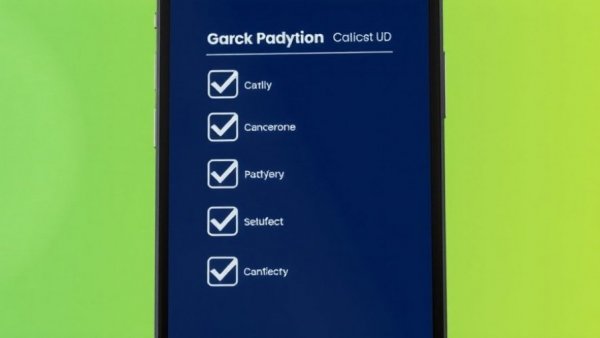
Decoding Transparent POS Pricing: Essential for Business Owners
For entrepreneurs and small business owners, understanding payment processing costs can feel daunting. Transparent Point-of-Sale (POS) pricing simplifies this, ensuring clarity around what you're paying for. It's crucial to recognize that while the processing rate grabs attention, it often represents just the tip of the iceberg. In reality, software, equipment, and hidden fees shape the final amount. Therefore, having a robust checklist is invaluable.
A Comprehensive Pricing Checklist
The US Chamber's guide emphasizes the importance of detailed quotes. When assessing a POS quote, consider breaking down the costs associated with each payment channel – whether it's online, in-person, or by invoice. Look for:
- Payment Channel Rates: Different channels may have varying rates. Ensure you know your costs regardless of how payments are processed.
- Transaction Fees: Understand if your fees are based on percentages, fixed amounts, or both. A clear breakdown helps determine the best plan for your sales volume.
- Software Costs: Familiarize yourself with pricing structures, especially how add-ons work and what happens during trial periods.
- Equipment Fees: Determine if you're leasing or buying equipment. Knowing the costs associated with devices can impact budgeting decisions.
- Event-based Charges: Identify potential hidden charges related to customer disputes or processing minimums.
The Importance of Clarity in Pricing
Ultimately, transparent POS pricing is about more than just understanding costs; it's a tool for financial empowerment. Clarity prevents financial surprises and promotes strategic planning. By anticipating price changes, renewal schedules, and cancellation policies, business owners can operate with confidence. Each fee should be crystal clear, allowing owners to navigate their choices effectively. As GoDaddy Payments exemplifies, transparency should be at the forefront of payment processing.



Write A Comment