

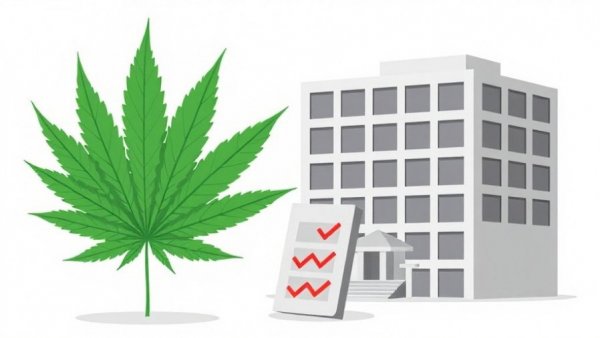
Understanding Marijuana Legislation and Its Impact on Small Businesses
As more states embrace the use of marijuana, both medically and recreationally, the landscape for small businesses is shifting significantly. By October 2026, 41 states and the District of Columbia will permit medical marijuana, while 24 states will allow recreational use. This evolving legal framework, coupled with federal changes, presents unique challenges and opportunities for business owners.
Navigating Employee Drug Testing Policies
One of the immediate impacts of evolving marijuana legislation is how small businesses handle employee drug testing. Even with state regulations in place, employers have the authority to prohibit drug use in the workplace. However, the recent federal rescheduling of marijuana to a Schedule III substance complicates this landscape. The rules about drug testing and employee accommodation vary widely by state. For example, in Florida, employers can maintain a drug-free workplace and are not required to accommodate medical marijuana users, whereas states like Arizona and Pennsylvania prohibit discrimination against employees who use medical cannabis. Employers need to understand their local laws thoroughly to implement effective drug testing policies that comply with both state and federal guidelines.
Implications of Federal Rescheduling
The rescheduling of marijuana has raised questions about tax implications for dispensaries and cannabis-related businesses. Specifically, Section 280E of the Internal Revenue Code prevents businesses involved with Schedule I or II controlled substances from claiming most tax deductions, aside from the cost of goods sold. Many small business owners are eager to know if they can now deduct expenses related to medical marijuana. Unfortunately, without IRS guidance, uncertainty remains prevalent. Small business owners should stay informed about potential tax changes that could streamline their operations.
The Banking Dilemma in the Cannabis Industry
The banking landscape for cannabis businesses remains fraught with challenges. To date, the Bank Secrecy Act inhibits financial institutions from providing services to these businesses, compelling them to adopt cumbersome payment methods, such as cash transactions and money orders for tax obligations. While recent legislative efforts like the SAFE Banking Act, which aims to protect banks servicing legal cannabis businesses, have been proposed, they have not yet come to fruition. Consequently, small business owners in the cannabis industry should seek alternative financial strategies to facilitate their operations while advocating for broader banking reforms.
Actionable Insights for Business Owners
As the legal landscape changes, the first step for small business owners is to consult with legal and tax professionals well-versed in cannabis regulations within their specific states. They should also stay informed about legislative developments, as both state and federal laws are continually evolving. By understanding their rights and responsibilities, business owners can better navigate the complexities surrounding marijuana use in the workplace.
Furthermore, it is crucial for business owners to adopt flexible drug policies that comply with the law while fostering a supportive workplace environment. This means balancing the needs of employees who may use cannabis for medicinal purposes with maintaining workplace safety and productivity.
Final Thoughts: Embracing the Future
As we gear up for 2026, with substantial legal changes expected, business owners should remain proactive. It is essential to educate themselves on the implications of marijuana legislation not only for compliance but as a strategic component of their business operations. The confusion surrounding these laws offers an opportunity for businesses to differentiate themselves by fostering a transparent, supportive work culture that respects employee rights while ensuring operational efficacy.
Staying ahead of the curve in this rapidly changing environment will not only mitigate risks but could also enhance a company's appeal to a growing market of consumers who support cannabis legalization.






Write A Comment